
Travel Advisory for AttendeesTravel Advisory for Attendees
Venue and Accommodation
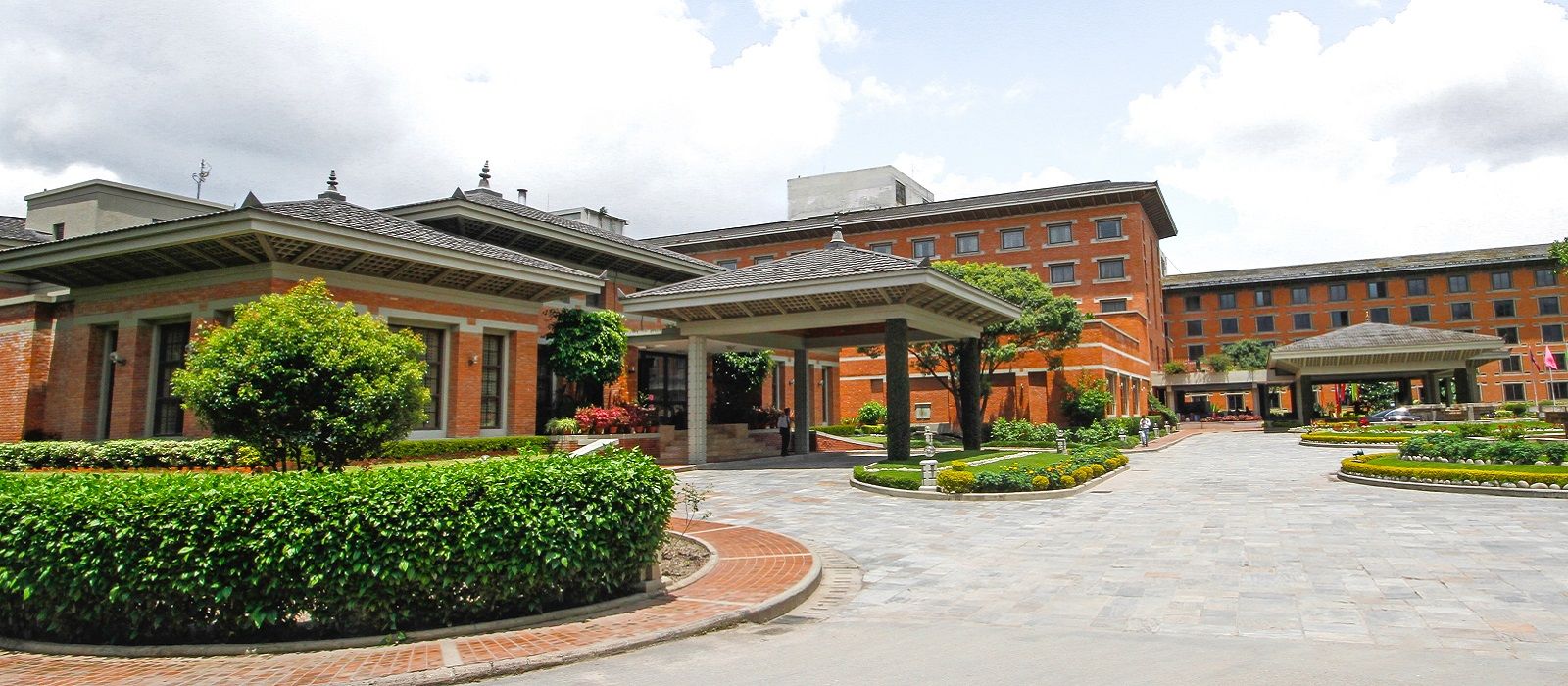
The venue for the Nepal Impact Investment Forum 2027 is The Soaltee, Kathmandu.
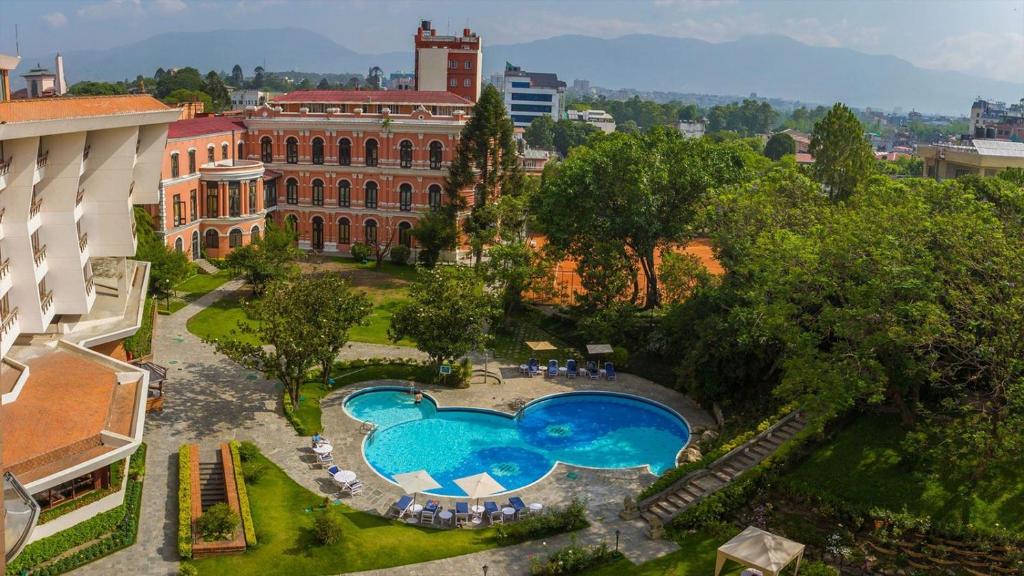
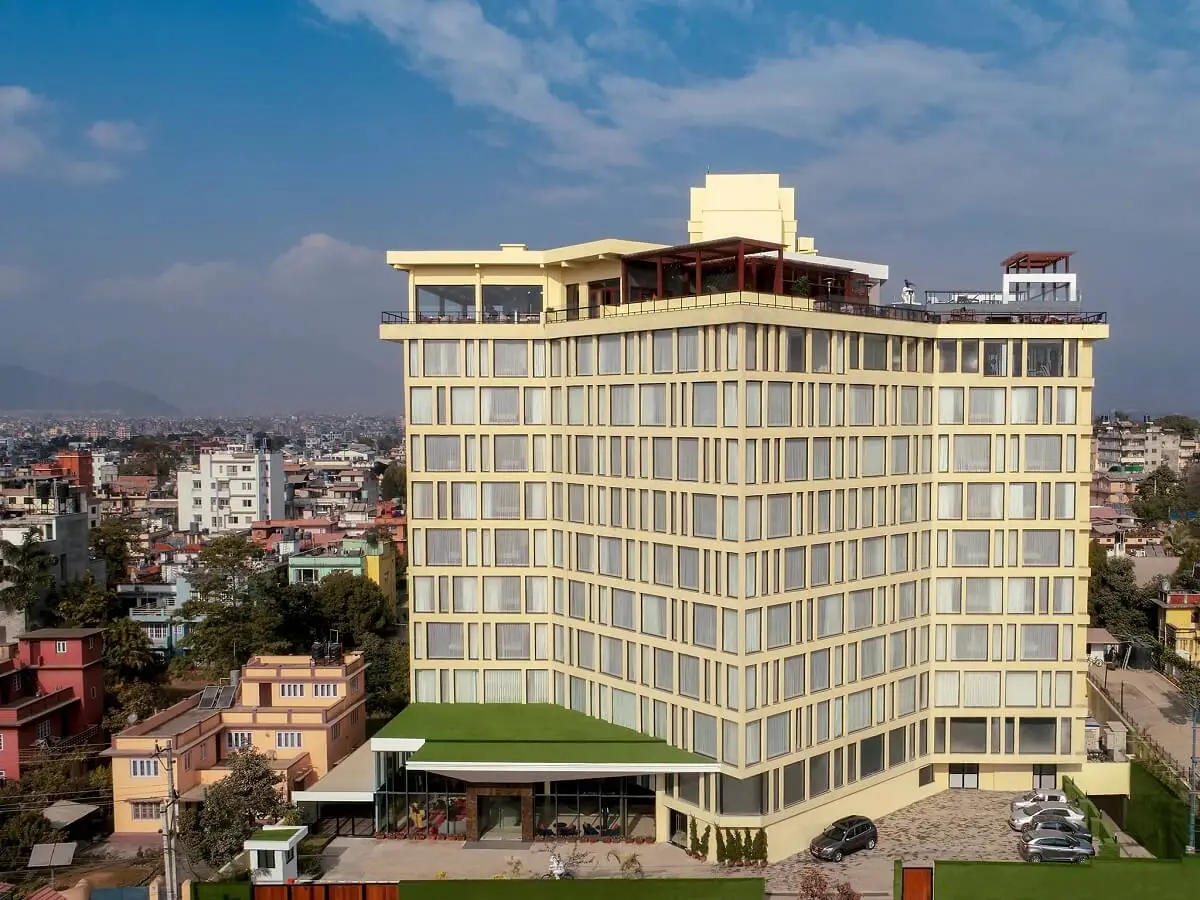
Recommended Hotels for Accommodation: Here are hotel recommendations for your convenience: Hotel Vivanta, The Soaltee Kathmandu, Hotel Yak and Yeti and Kathmandu Marriott Hotel.

Transportation
Taxis are the most convenient way to get around the city. Although there are meters fitted in taxis, it is common practice to negotiate the price before getting in. Tipping Taxis is not required.
Alternatively, use of ride sharing Apps like InDrive and Pathao are quite common and convenient if you have a locally registered mobile phone number. InDrive suggests a fair price based on the distance and market rate and allows for price negotiation on the App at the time of placing a request.
Note: During the programme, pick-up and drop to and from the event and your hotel will be managed by IIN.

Local Currency and Banking
The local currency in Nepal is the Nepalese rupee (NPR). It’s recommended to bring some US dollars and exchange them for local currency in Kathmandu. Other currencies such as Australian and Canadian dollars, British pounds, and euros are also accepted. You can exchange your currency at the airport, banks, hotels, and licensed money changers. Kathmandu airport has a 24-hour currency exchange counter. Remember to show your passport and provide a photocopy when exchanging currency. Keep the receipt of your foreign exchange transaction in case you need to convert Nepalese rupees back to your currency when leaving Nepal.
Foreign currency payments are accepted at hotels, travel agencies, and airlines. Similarly, several electronic cards such as MasterCard, Visa, and occasionally American Express are also accepted at most hotels, shops, and restaurants. ATMs are available throughout Kathmandu Valley, and they provide information on the cards they accept.
Passport and visa requirements
Most visitors are granted visa on arrival but it’s important to verify the requirements for your specific country. Please visit Department of Immigration’s website for the latest information. Visa processing may take up to an hour, so it’s recommended to arrange your visa in advance. The visa fees are as follows:
- 15 days: 30 USD or equivalent convertible currency
- 30 days: 50 USD or equivalent convertible currency
- 90 days: 125 USD or equivalent convertible currency
Communication
SIM Card: Tourists can obtain a local Sim Card at the arrival halls in the international airport of Kathmandu. Outside the airport, there are several service centres from mobile carriers where local Sim Card are sold.
Maps: The easiest way to start finding your way around is to use Map App such as Google Map on the mobile or other navigation devices.
Health and Medical Care
Hospitals require a financial guarantee (credit card or advance payment) before treatments. If you are dependent on certain medicines, your first-aid kit should contain sufficient supply for your intended stay in the country.
Emergency Hospital Numbers
| Emergency Hospital Numbers | |
|---|---|
| Nepal Ambulance Service | 102 |
| Nepal Mediciti Hospital (Nakkhu, Lalitpur) | 1134 or 9801235698 |
| Norvic Hospital (Thapathali, Kathmandu) | 4258554, 4218230, 4101600 (Emergency) |
| CIWEC Hospital and Travel Medicine Center | 01-4424111 |
Climate
Kathmandu Valley is known for its temperate climate. The temperature does not exceed 34 degrees Celsius even during the scorching summer months and does not drop below 3 degrees Celsius in winter.
During Feb, the temperature is pleasant and is expected to be 22-26 degrees.
Activities Around Kathmandu
Heritage Walk: Travelers can immerse themselves in the rich cultural heritage of Kathmandu Valley through organised heritage walks. These walks provide a unique opportunity to explore the valley’s breathtaking heritage landscapes, seamlessly blending the allure of history with the vibrant charm of Nepal’s bustling streets and hidden treasures. Along the way, you’ll discover secret courtyards, statues, shrines, and temples that are often missed on traditional tours.
Cultural Festivals: Spring is a vibrant season of cultural celebrations in Nepal. The Nepali New Year, along with vibrant traditional street festivities such as Bisket Jatra, and Holi, the festival of colors, marks the end of winter and is joyously celebrated across the Kathmandu valley.
Mountain Flight: The beautiful panorama of jagged snow-capped Himalayan peaks, glacial lakes, and flower-strewn valleys can be enjoyed from the skies through mountain flights operated by domestic airlines. Commonly known as “Everest sightseeing mountain flights,” these flights are scheduled early in the morning when the views of the Himalayas are at their finest. These flights not only offer breathtaking views of Mount Everest, Mount Lhotse, Mount Makalu, Mount Cho Oyu, and Mount Nuptse but also helps travelers understand Nepal’s challenging upper geography. Ticket prices typically range from $225 to $240.
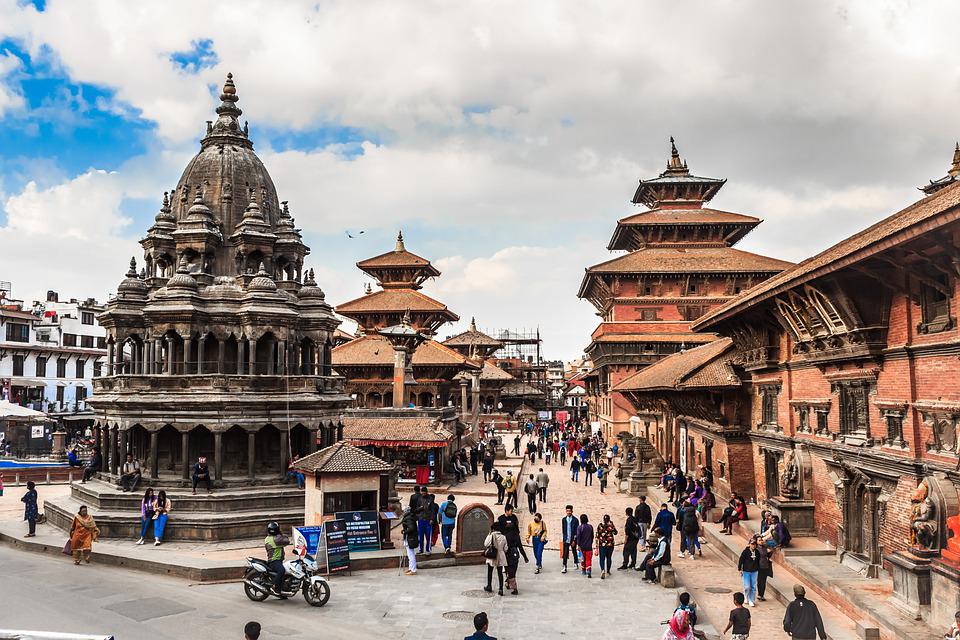
Exploring the Wonders of Kathmandu Valley: The Kathmandu Valley is filled with vibrant ancient temples, sacred shrines, and iconic stupas, all conveniently accessible from your hotel. Day trips to explore some of the area’s most fascinating and historically significant landmarks, including the UNESCO World Heritage Sites of Pashupatinath Temple, Bouddhanath Stupa, and Swayambhunath Stupa. A little away from your hotels, you have the option of visiting timeless charm of Bhaktapur and Patan Durbar square.

Activities Beyond Kathmandu
Trekking: Spring is one of the best times for trekking in Nepal. Trails are generally dry, skies are clear, and the weather is stable, offering spectacular views of the Himalayas. Popular trekking routes that interest travellers are the Annapurna Circuit, Everest Base Camp, and Langtang Valley circuit.
Ultra Flights: Travelers can also soar like a bird to take in the sunning views of Pokhara Valley, the majestic Annapurna and Dhaulagiri Mountain ranges, the iconic Fishtail Mountain, and Annapurna Base Camp. These mountain-view flights are operated by Ultra-Light flight operators. In addition to these aerial experiences, visitors to Pokhara and adventure enthusiasts can enjoy exciting activities like paragliding, bungee jumping, steep zip lines, ATV adventure and more.
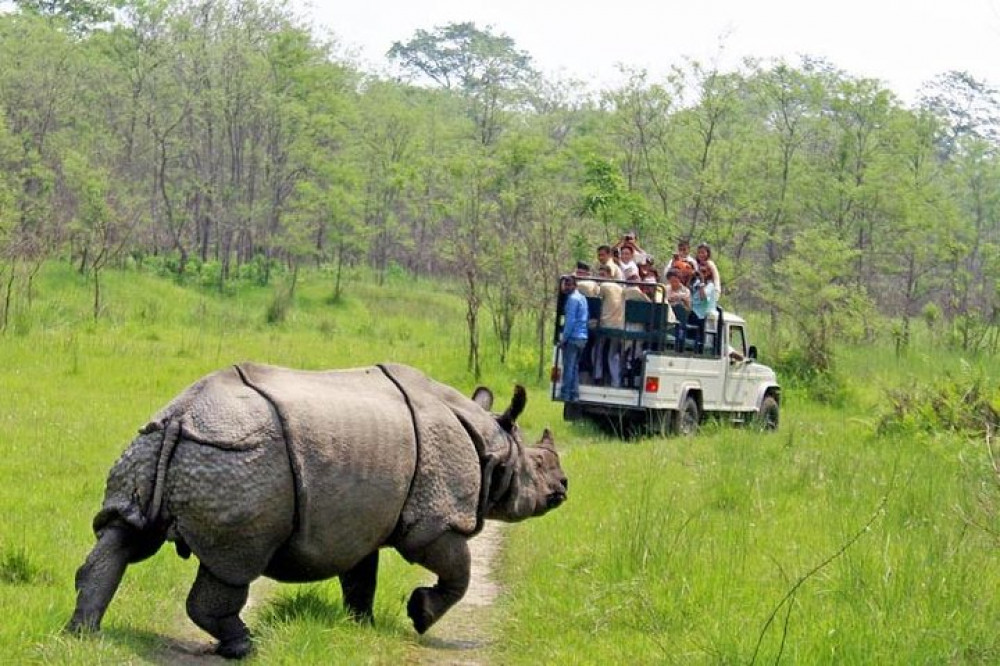
Chitwan National Park: For nature enthusiasts, Chitwan is one of the untouched remnants of Nepal’s southern plains, known as the ‘Terai’ region. Home to rich flora and fauna, the country’s first National Park serves as a preservation area for shrinking population of the single-horned Asiatic rhinoceros and one of the last refuges of the Bengal tiger. Designated as a UNESCO Natural Heritage site, Chitwan National Park is home to 128 Royal Bengal Tigers, according to a 2022 national survey, making it the largest tiger habitat in Nepal. The park is also considered the last surviving example of the natural ecosystems of the Terai region, covering subtropical lowlands between two east-west river valleys at the foot of the Siwalik range of the outer Himalayas.

Shopping and Souvenirs
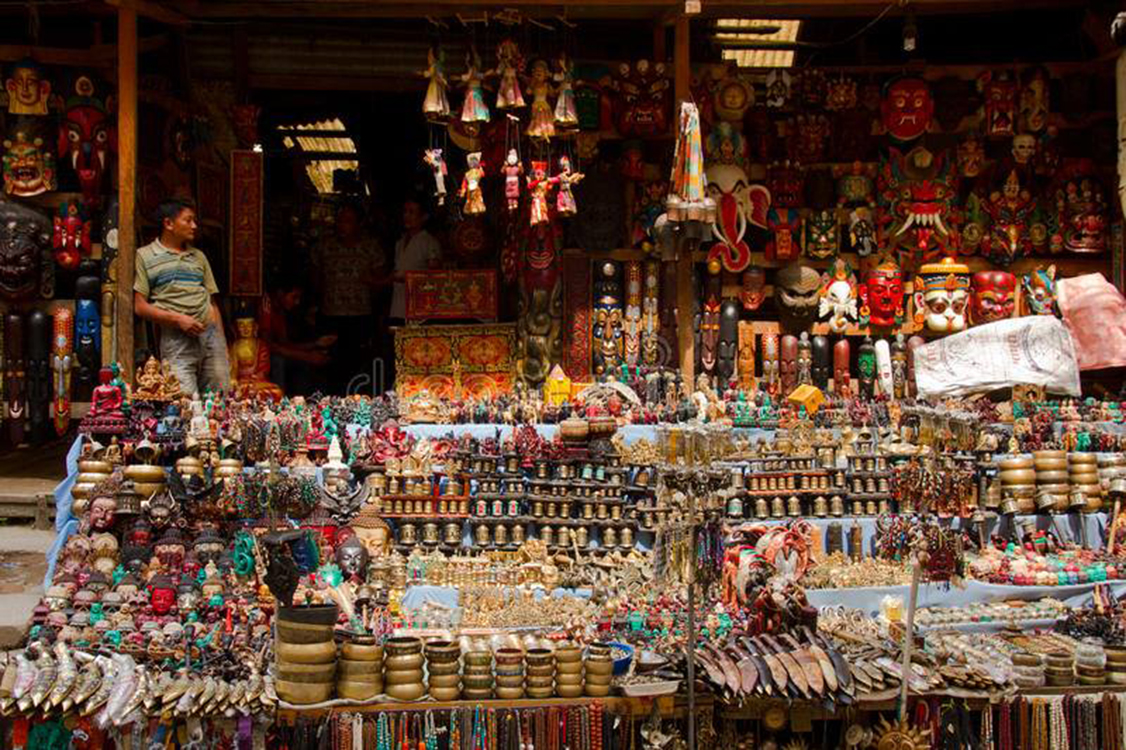
Kathmandu is a shopper’s paradise, offering some of the best shopping experiences in Asia, with a wide variety of unique products from bargain-priced down jackets to buttery-soft pashminas. A visit to Kathmandu provides an opportunity to purchase Tibetan Buddhist artefacts, prayer flags and traditional Nepalese clothes. Depending on preferences and souvenirs desired, other popular items to shop include incense sticks, spices, tea, Tibetan rugs, Thangka paintings, singing bowls, prayer wheels, prayer beads, pashmina scarves, Gorkha Knives (Khukuri), and intricate wood carvings.
One unique Nepali gaming item is the “Bag Chaal” game, a two-player board game similar to a mix of chess and checkers. Similarly, Lokta paper a traditional paper product which has been used for centuries to write religious Hindu and Buddhist manuscripts and royal documents is a souvenir to take home. Other take home souvenirs to consider could be silver Jewellery, clothing made of hemp, bamboo, and cotton. Popular go to places for shopping are the Thamel, Patan, Bouddha and Sanepa Jhamsikhel areas.

Photography and Social Media Guidelines
Tips on areas where photography is allowed or restricted.
Visiting areas in and around Kathmandu could be visually inspiring and exciting to take photographs of cultural, social and religious practices. In many Hindu temples, non-Hindus are not permitted to enter or take photos inside certain parts of the temple complex. Always be mindful of “no-photo” signs, which may not be in English but are typically designed to be tourist-friendly. If you’re unsure, it’s always best to ask a local or seek permission.
Basic Phrases for Greetings and Essential Communication
As a visitor, it is could be entertaining and amusing to learn basic phrases for communicating and interacting with local residents while in Nepal. Using these phrases could make your interactions and shopping more engaging and enjoyable. As a start, the traditional way of greeting and bidding farewell is the same. It’s Namaste (nah-mah-stay) or Namaskar (nah-mah-scar) with folded hands.
Some useful phrases for your day-to-day communication to help you to get around, meet people and deepen your experience.
| Phrase | Meaning |
|---|---|
| Hajur | An all-purpose term meaning “yes”, “pardon”, or “excuse me”. |
| Tapaiilai kasto cha? | How are you? |
| Malai thik cha. | I am fine. |
| Khana khannu bhayo? | Have you eaten? (Also commonly used as an informal greeting.) |
| Dhanyabad | Thank you. |
| Tapai ko naam ke ho? | What is your name? |
| Mero naam XYZ ho. | My name is XYZ. |
| Maaph garnuhos. | Excuse me / Pardon me / Sorry. |
| Maile bujhina. | I don’t understand. |
| Maile bujhe. | I understand. |
| Pheri bhetaunla. | I hope we meet again. |
| Verb Bases | Verb Conjugation | Numbers |
|---|---|---|
| Janu – To go | Rakhnu – To keep | 1 / ek, 2 / dui, 3 / tin, 4 / char, 5 / panch, 6 / cha, 7 / saat, 8 / aath, 9 / nau, 10 / das, 15 / pandhra |
| Bolnu – To speak | Sutnu – To sleep | 20 / bees, 25 / pacheece, 30 / teece, 40 / chaleece, 50 / pachaas |
| Aunu – To come | Hernu – To see | 60 / sathi, 70 / sattari, 80 / assi, 90 / nabbe |
| Roknu – To stop | Pewnu – To drink | 100 / ek saye, 200 / dui saye, 1000 / ek hazar |
| Basnu – To sit | Khannu – To eat | |
| Hidnu – To walk |
